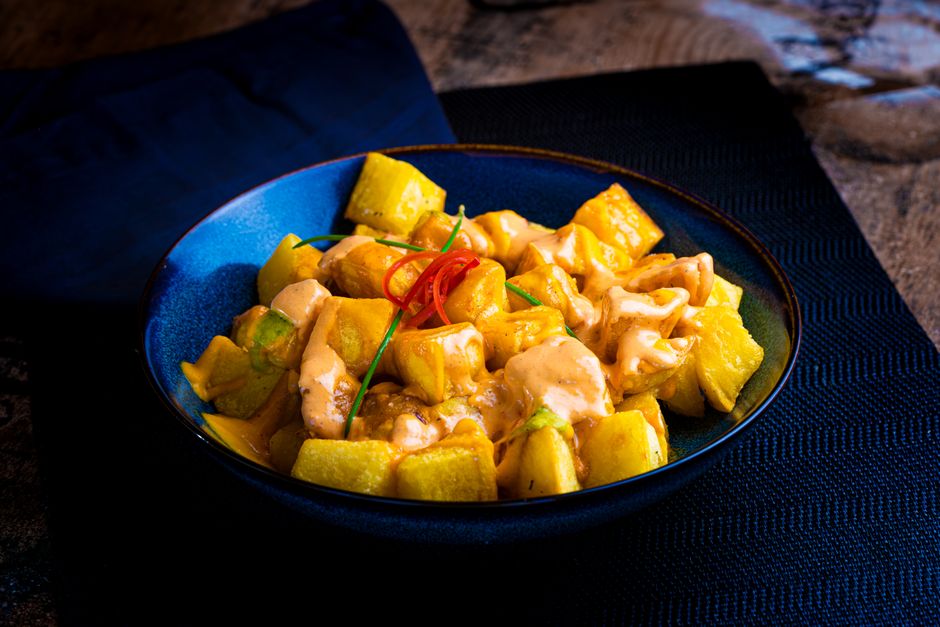
Authentic Patatas Bravas with Spicy Tomato Sauce
Patatas bravas, a cornerstone of Spanish tapas culture, traces its origins to the bustling bars of Madrid. This iconic dish transforms humble potatoes into a crispy, golden delight, served with a vibrant, piquant tomato sauce. The name “bravas” hints at the fiery character of the sauce, which typically features smoked paprika and chili, delivering a warming heat that complements the crunchy exterior of the potatoes. Whether enjoyed as a shared starter among friends or as a satisfying snack paired with a cold drink, patatas bravas embodies the convivial spirit of Spanish dining. In this article, we will explore the elements that make this dish special, from selecting the right potatoes to achieving the perfect crispiness, and we present a straightforward approach to crafting the accompanying spicy tomato sauce at home.
Understanding the essence of patatas bravas involves appreciating the balance between texture and flavor. The potatoes should be crisp on the outside while remaining tender and fluffy inside, providing a satisfying contrast to the smooth, tangy sauce. The sauce itself is a masterful blend of tomato, garlic, and spices, with a subtle kick that lingers pleasantly. While recipes vary across regions, the core principle remains consistent: quality ingredients and careful preparation. By following a few foundational techniques, you can recreate this beloved tapa in your own kitchen, impressing guests with an authentic taste of Spain.
The Perfect Potato: Choosing and Preparing
Selecting the right type of potato is a crucial first step in ensuring the ideal texture for patatas bravas. Waxy potatoes, such as Yukon Gold or red potatoes, are often recommended because they hold their shape well during frying and offer a creamy interior. Starchy potatoes like Russets can also work, but they tend to break apart more easily and may require careful handling. The choice ultimately depends on personal preference, but waxy varieties generally provide a sturdier base for achieving that sought-after crunch.
Preparation involves cutting the potatoes into uniform bite-sized cubes, typically around 1 to 1.5 inches. Uniformity ensures even cooking, preventing some pieces from becoming overdone while others remain undercooked. After cutting, it is beneficial to rinse the potatoes in cold water to remove excess starch, which can cause them to stick together and hinder crispiness. Patting them thoroughly dry with a clean kitchen towel is equally important, as moisture can lead to steaming rather than frying. Some cooks prefer to parboil the potatoes for a few minutes before frying, which can help achieve a fluffy interior, but this step is optional and can be skipped for a simpler method.
For those seeking an alternative to deep-frying, oven-roasting presents a healthier option that still yields crispy results. Tossing the potato cubes in olive oil and spreading them in a single layer on a baking sheet allows for even browning. Roasting at a high temperature, around 425°F (220°C), for 25–30 minutes, turning once midway, produces a golden exterior with a tender center. This method requires less oil and reduces the mess, making it a convenient choice for home cooks. Whichever method you choose, the key is to ensure the potatoes are cooked until they are deeply golden and crispy, as this texture is fundamental to the dish.
Crafting the Spicy Tomato Sauce
The sauce is what sets patatas bravas apart from ordinary fried potatoes. A traditional bravas sauce is based on tomatoes, but it includes a distinctive combination of spices that gives it a piquant, smoky depth. The foundation begins with a base of sautéed onion and garlic, which provides a savory aromatic backdrop. Adding tomato paste and canned crushed tomatoes creates a thick, rich sauce that clings to the potatoes. The heat comes from chili powder or fresh chilies, while smoked paprika contributes an earthy, smoky note that is essential to the flavor profile.
A typical recipe might proceed as follows: gently cook a finely chopped onion in olive oil over medium heat until it becomes translucent, then add minced garlic and cook for another minute until fragrant. Stirring in a tablespoon of tomato paste and a couple of teaspoons of smoked paprika helps to bloom the spices, releasing their oils and enhancing their flavors. Next, pour in a can of crushed tomatoes, along with a pinch of sugar to balance the acidity, and season with salt and pepper. For the heat, add chili powder or cayenne pepper to taste, keeping in mind that the sauce should have a noticeable kick without overwhelming the palate.
Simmering the sauce for about 15–20 minutes allows the flavors to meld and the sauce to thicken. Some variations incorporate a splash of sherry vinegar or a bay leaf during cooking, adding another layer of complexity. After removing the bay leaf, the sauce can be left chunky for a rustic texture or blended until smooth for a more refined finish. The choice depends on personal preference, as both are common in Spain. It is also worth noting that the sauce can be made ahead of time and stored in the refrigerator for several days, allowing the flavors to develop further.
Assembling and Serving Your Patatas Bravas
Once the potatoes are perfectly crispy and the sauce is ready, the final step is to bring them together. Traditionally, patatas bravas are served on a shared plate, with the sauce either spooned over the top or served on the side for dipping. Some restaurants drizzle the potatoes with aioli, a garlicky mayonnaise, creating a dual-sauce presentation that is both visually appealing and delicious. For a classic approach, arrange the hot potatoes on a platter, pour the warm tomato sauce over them, and optionally finish with a sprinkle of chopped parsley or a dusting of smoked paprika.
Timing is important when serving patatas bravas, as they are best enjoyed immediately while the potatoes retain their crunch. If you are preparing this dish for a gathering, consider frying the potatoes in batches and keeping them warm in a low oven until ready to assemble. The sauce can be reheated gently on the stovetop, adding a little water or stock if it has thickened too much.
Patatas bravas are versatile and pair well with a range of other tapas, such as pan con tomate, garlic shrimp, or Spanish omelette. They also make a satisfying standalone snack, especially when accompanied by a cold beer or a glass of sangria. The dish’s popularity lies in its simple yet compelling combination of textures and flavors, making it a crowd-pleaser for many occasions.
Variations and Regional Influences
While the classic patatas bravas is beloved throughout Spain, regional variations offer interesting twists on the original. In the Andalusia region, for instance, the sauce may be thinner and spicier, incorporating local varieties of dried peppers. In Catalonia, a romesco sauce, made with almonds, hazelnuts, and roasted red peppers, is sometimes used instead of the traditional tomato sauce, providing a nutty, rich flavor. Other versions might include a touch of vinegar or even Worcestershire sauce to deepen the umami character.
These variations reflect the diversity of Spanish cuisine and the creativity of home cooks and chefs alike. For those adventurous enough to experiment, consider adding roasted bell peppers to the sauce for a more complex taste, or infusing the oil used for frying with garlic or herbs for an extra layer of flavor. The basic structure of crispy potatoes and a savory sauce leaves ample room for personalization while honoring the spirit of the dish.
Ultimately, patatas bravas is a testament to the beauty of simplicity in cooking. With just a few basic ingredients, one can create a dish that is greater than the sum of its parts, embodying the warmth and conviviality of Spanish hospitality. For those practicing their culinary skills, mastering patatas bravas offers a rewarding challenge that yields delicious results time and again.
Frequently Asked Questions About Patatas Bravas
Many home cooks have questions about achieving the perfect textures and flavors. One common query is whether the potatoes need to be double-fried. The double-frying method involves first frying the potatoes at a lower temperature to cook them through, then raising the heat to crisp them. This technique can be effective but is not mandatory. A single fry at a consistent temperature, around 350°F (175°C), can produce excellent results if the potatoes are cut evenly and dried properly.
Another question is whether the sauce can be made milder or spicier. Adjusting the amount of chili or cayenne pepper allows you to control the heat level, making the dish suitable for all palates. For a more subtle spice, omit the chili and rely solely on smoked paprika for a smoky, savory flavor. Conversely, those who enjoy extra heat can add fresh chopped chilies or a splash of hot sauce.
Regarding leftovers, patatas bravas are best consumed freshly made, as the potatoes lose their crispness upon standing. However, if you have extras, they can be reheated in an oven or toaster oven to restore some of their crunch. Alternatively, the sauce can be used in other dishes, such as a dipping sauce for roasted vegetables or as a base for a shakshuka-style breakfast.
Patatas bravas are a beloved tapa that invites experimentation and adaptation. By understanding the core elements—crispy potatoes and a spicy tomato sauce—you can confidently create a dish that honors Spanish tradition while suiting your personal taste.