Swedish Cinnamon Buns: A Nordic Fika Essential
Swedish cinnamon buns, known as kanelbullar, are a cornerstone of the Nordic tradition of fika—a cherished coffee break that emphasizes pause and connection. Unlike their American counterparts, which are often oversized and heavily frosted, Swedish buns are delicately spiced, slightly less sweet, and feature a distinctive twisted shape. This article explores the essential techniques behind creating these aromatic pastries, focusing on dough preparation and the unique shaping method that gives them their characteristic appearance. Whether you are a seasoned baker or a curious novice, understanding these fundamentals will enhance your baking repertoire and deepen your appreciation for this beloved Swedish treat.
The journey to perfect kanelbullar begins with a rich, yeast-based dough infused with warm spices. The dough’s texture and flavor are critical, as they form the foundation for the entire baking experience. Achieving the right balance of softness and structure requires careful attention to ingredients and technique. Additionally, the signature shape—often described as a twisted knot or an S-shape—is not merely decorative; it also contributes to the bun’s even baking and appealing presentation. By mastering these elements, you can bring a piece of Swedish fika into your own home.
The Fika Culture and Its Significance
Fika is more than just a coffee break; it is a deeply ingrained social institution in Sweden. It represents a moment to slow down, connect with others, and savor simple pleasures. Typically, fika involves coffee or tea accompanied by sweet pastries, with cinnamon buns being a perennial favorite. The tradition emphasizes mindfulness and community, making it a vital part of Swedish daily life. In recent years, fika has gained international recognition, and with it, the popularity of kanelbullar has spread far beyond Scandinavia.
Understanding the cultural context of kanelbullar enhances the baking and enjoyment of these buns. When you prepare them, you are participating in a ritual that values presence and warmth. The process itself can be meditative, from kneading the dough to watching the buns rise. This cultural significance adds a layer of meaning to the act of baking, transforming it from a simple culinary task into a celebration of togetherness.
Moreover, fika is adaptable; it can be enjoyed alone or with friends, at home or in a café. This flexibility mirrors the versatility of the cinnamon bun itself, which can be enjoyed fresh from the oven or reheated later. By embracing the spirit of fika, you can create moments of tranquility in your own routine, one bun at a time.
Essential Ingredients for the Perfect Dough
The quality of ingredients plays a pivotal role in the final texture and taste of Swedish cinnamon buns. While the classic recipe calls for flour, milk, butter, sugar, yeast, and cardamom, the proportions and handling are key. Cardamom, in particular, is a hallmark of Swedish baking, lending a subtle citrusy and aromatic note that complements the cinnamon filling. Using freshly ground cardamom seeds rather than pre-ground powder can intensify the flavor, making it a worthwhile step for exceptional results.
Butter is another crucial component, contributing to the dough’s richness and tenderness. In traditional recipes, the butter is often melted or softened before incorporation. The type of milk used—whole milk is preferred—affects the dough’s hydration and crumb. For a softer texture, some bakers replace part of the milk with heavy cream. Yeast, whether fresh or active dry, must be handled correctly to ensure proper fermentation; it should be dissolved in lukewarm liquid to activate without killing the yeast with excessive heat.
Furthermore, the dough benefits from a resting period in the refrigerator, which not only slows fermentation but also makes the dough easier to handle and roll out thinly. This technique, known as cold fermentation, allows the flavors to develop more fully and results in a more tender bun. For those who wish to explore variations, adding a touch of orange zest or using a blend of spices can introduce new dimensions while staying true to the spirit of the original.
Mastering the Dough: Kneading, Rising, and Rolling
Achieving the ideal dough texture requires patience and attention. After combining the ingredients, the dough must be kneaded until it becomes smooth and elastic. This process develops gluten, which gives the buns their structure and chew. You can knead by hand or using a stand mixer with a dough hook. For hand kneading, flouring the surface lightly prevents sticking, but avoid adding too much extra flour as it can make the buns tough. The dough should be tacky but not sticky, and it should pass the windowpane test—when stretched, it forms a thin membrane without tearing.
After kneading, the dough is left to rise until it doubles in size, which typically takes one to two hours, depending on ambient temperature. This first proof is essential for flavor development. To enhance this, some bakers prefer a longer, slower rise in the refrigerator. Once risen, the dough is punched down and rolled out into a large rectangle, about 1/4 inch thick. At this stage, the filling—a mixture of softened butter, sugar, and cinnamon—is spread evenly over the surface, leaving a small border to seal the edges.
Rolling the dough tightly into a log is a critical step. Begin from the long side to create multiple layers, which will produce distinct swirls when sliced. The seam should be pressed firmly to prevent unraveling. After rolling, the log is cut into individual pieces, each about 1 to 1.5 inches thick. The number of buns depends on the size you prefer; larger buns are more substantial, while smaller ones are ideal for sharing. At this point, the shaped buns are placed on a baking sheet lined with parchment paper, leaving space between them to allow for expansion during the final rise.
The Secret to the Unique Shape: Twisting and Tying
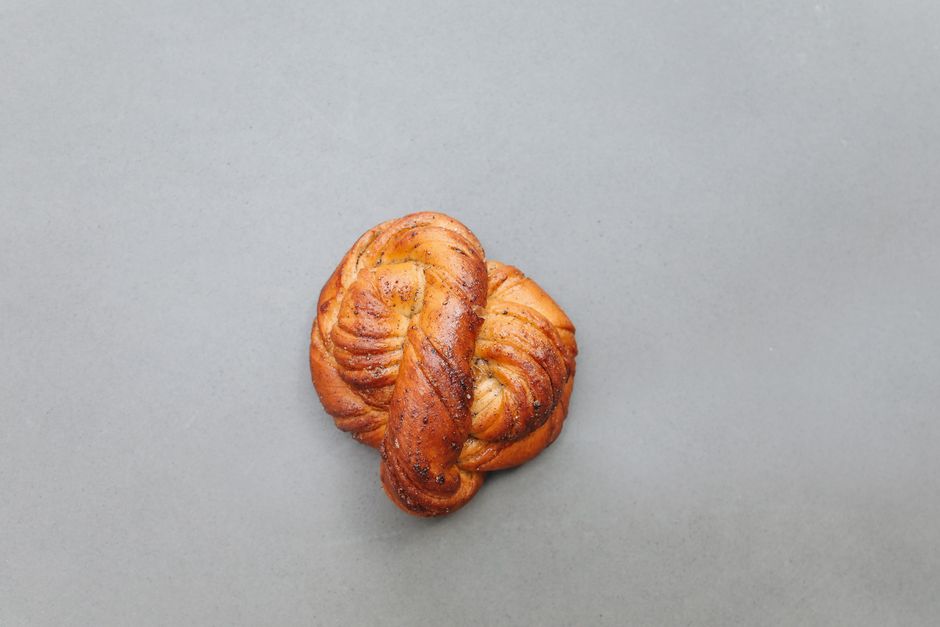
The distinctive shape of Swedish cinnamon buns is not just aesthetic; it also influences how they bake and how they are eaten. The most common shaping method involves twisting a strip of dough into a knot. To achieve this, each cut piece is gently stretched into a rope, twisted, and then the ends are brought together to form a circle, or the rope is tied into a loose knot. This technique creates a visually appealing bun with a slightly irregular surface that catches the filling in its folds, resulting in a pleasant variety of textures.
Another traditional method is to cut the roll into slices and then press each slice down to flatten it slightly, creating a more open swirl. However, the twisted knot remains the most iconic. The key to successful twisting is to work with slightly chilled dough, which holds its shape better. If the dough becomes too soft, it can be returned to the refrigerator for a short time. Practice is essential; the first few attempts may not be perfect, but each one will improve. The shaping process is also a place for creativity, as you can experiment with different knot styles to personalize your buns.
Additionally, the shape affects the crumb’s exposure to air, which can influence how the buns rise in the oven. Twisted buns sometimes rise more irregularly, creating a rustic appearance that is charming and indicative of their homemade nature. Regardless of the specific technique, the shaping is a skill that connects the baker to centuries of tradition.
Final Proof, Egg Wash, and Baking
After shaping, the buns undergo a final rise, typically for 30 to 60 minutes, until they are puffy and have increased in size. This second proof is crucial for achieving a light, airy texture. To prevent the buns from drying out, cover them with a clean kitchen towel or plastic wrap during this period. When they are ready, the oven is preheated to around 425°F (220°C), and a shallow pan of water is placed on the bottom rack to create steam, which helps keep the buns moist.
Just before baking, each bun is brushed with an egg wash—a beaten egg with a splash of milk—to give them a glossy, golden-brown exterior. Some recipes also include a sprinkle of pearl sugar or sliced almonds for added crunch and sweetness. The buns are baked for 8 to 12 minutes, or until they are lightly browned on top. Overbaking can dry them out, so it is better to err on the side of caution. Once out of the oven, the buns should be cooled on a wire rack, allowing air to circulate around them to prevent soggy bottoms.
While they are best enjoyed warm, fresh from the oven, they can also be stored in an airtight container for a few days. Reheating briefly in a toaster or oven can revive their softness. The baking process fills the kitchen with an inviting aroma that sets the stage for a comforting fika experience.
Serving and Enjoying: The Fika Experience
To truly embrace the fika spirit, serve your cinnamon buns with a hot beverage of your choice. In Sweden, they are often accompanied by coffee, such as a mild roast, or tea. Dark-roasted coffee is generally preferred to contrast the sweetness of the bun. The pairing enhances the tasting experience, the bitter notes of the coffee balancing the sweet and spicy flavors of the pastry.
Presentation matters in fika. Arrange the buns on a beautiful plate or in a traditional Swedish baking tin. Consider setting the table with a linen napkin and perhaps some fresh flowers to create a welcoming environment. The act of sharing these buns with others is at the heart of fika; it is an invitation to pause and connect. Whether you enjoy them alone with a good book or with friends and family, each bite is a small tribute to the Swedish way of life.
The experience of making and savoring Swedish cinnamon buns is multifaceted. It involves learning new skills, appreciating cultural nuances, and creating moments of joy. As you continue to practice, you will find your rhythm and perhaps develop your own variations, all while honoring the tradition. Ultimately, kanelbullar are more than just a pastry; they are a medium for connection and mindfulness.